

Vestibular Rehab/Post-Concussion Treatment
Vestibular disorders encompass different conditions that affect the inner ear and those parts of the central nervous system involved in maintaining balance. The onset of vestibular disorders can be sudden and debilitating.
Conditions that may cause dizziness or nausea most commonly seen in outpatient orthopedic settings are benign paroxysmal positional vertigo (BPPV), cervicogenic dizziness, Meniere’s disease, unilateral vestibular hypofunction, and vestibular neuralgia. The most important thing is for us to determine the cause and identify the triggers for your symptoms.
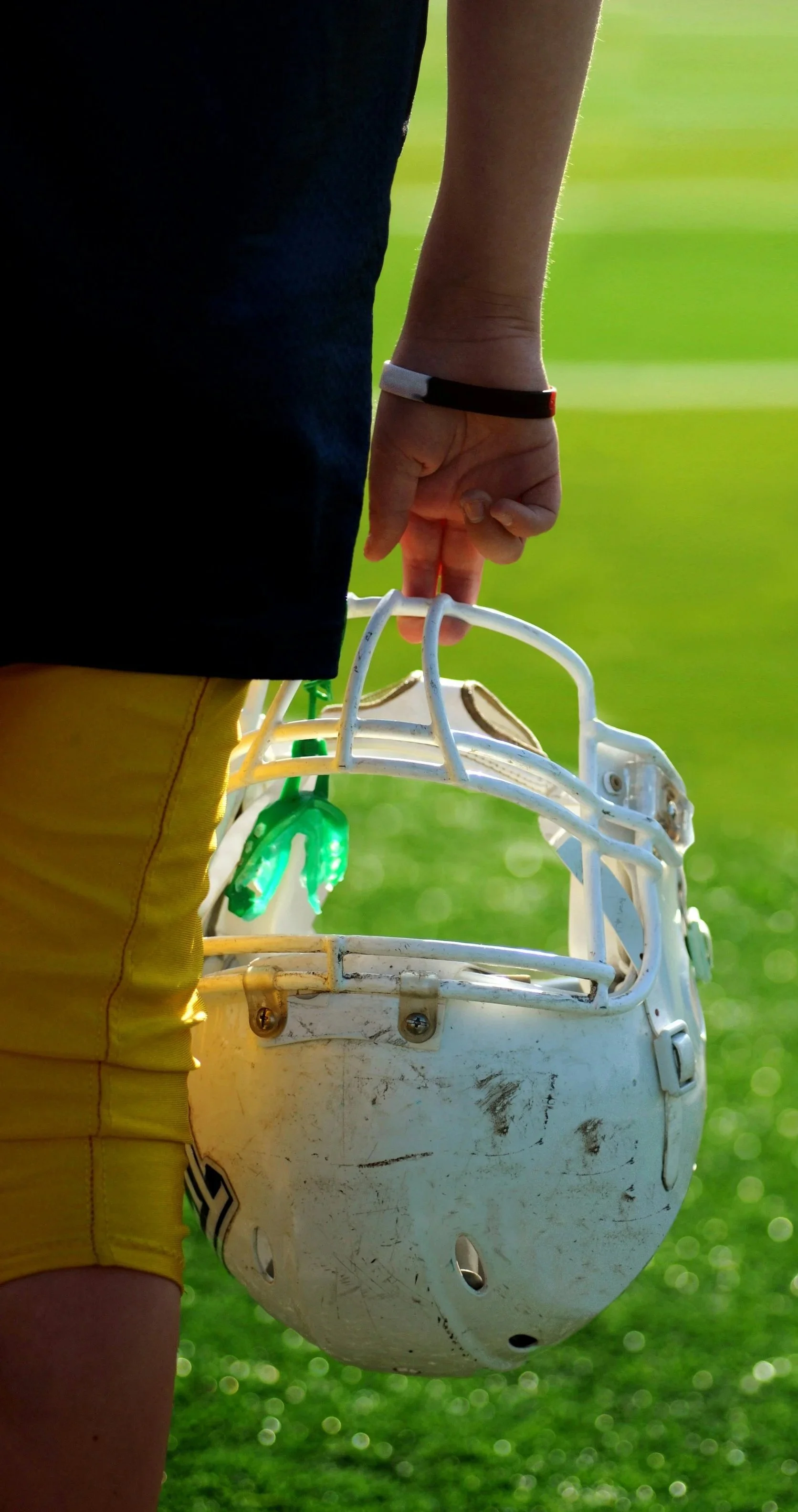
A concussion is a type of Traumatic Brain Injury (TBI). It can be caused by a bump, blow, or jolt to the head, or hit to the body that causes the head and brain to move back and forth rapidly. The resulting brain trauma can be from a single significant incident or from the accumulated effects of many seemingly minor ones.
Brain trauma can be extremely debilitating because it impacts neurometabolic processes central to cognitive functioning and overall wellbeing. Critical blood and oxygen flow in the brain are disrupted, causing mild to severe impairments in how well the brain can perform a range of necessary functions. Symptoms can last from days to months, depending on the severity.
Vestibular Rehab Treatment
We’ll take a detailed history, evaluate your condition, and identify areas of vestibular rehab and treatment. Our PT will determine what triggers the symptoms and guide you through a training program to regain stability and restore function through specific vestibular exercises. You’ll also learn techniques and exercises to manage symptoms independently, with the goal of restoring normal function.
Vestibular Disorder Symptoms
Ear fullness
Difficulty with eye tracking or gaze stability
Feelings of imbalance
Headache
Nausea
Spinning sensation of surroundings
Vertigo
Concussion Treatment
Concussion treatment begins with an assessment to determine when the patient can return to their activity, sport, and/or work without the risk of a second impact syndrome. We evaluate the neck for injuries and treat any related orthopedic injuries. Our specially-trained PTs help you develop a routine and make modifications to reduce brain trauma symptoms. These include managing stress, restoring balance, stabilizing emotions, increasing activity tolerance, and improving concentration.
Concussion Diagnosis/Symptoms
Decreased energy
Depression
Difficulty concentrating/fogginess
Difficulty with eye tracking
Dizziness/Vertigo
Emotional lability (roller coaster of emotions) such as frustration, irritability, anger
Fear avoidance
Memory loss
Poor balance
Post-Traumatic Brain Disorder (PTSD)
Sensitivity to noise, light, smells, movement
Sleep disorders